

A Spotlight on South Korea — South Korea’s Heritage Sites
An in‑depth guide for Qatar travelers—covering every UNESCO World Heritage site in South Korea as of December 2025, why each matters, and how to plan the perfect “Doha → Korea” cultural itinerary.
South Korea’s UNESCO portfolio blends royal palaces, ancient capitals, mountain monasteries, prehistoric rock art, and dramatic natural wonders. As of 2025, Korea counts 17 World Heritage sites—15 cultural and 2 natural—with the Petroglyphs along the Bangucheon Stream newly inscribed and Jeju’s volcanic landscapes and Korea’s Getbol tidal flats representing nature at its most awe-inspiring. This article draws primarily from the VisitKorea UNESCO hub and official pages, then cross‑checks with UNESCO’s World Heritage Centre for added context.

Seoul & Capital Region Classics (Cultural)
1) Changdeokgung Palace Complex — The palace that embraced the hills
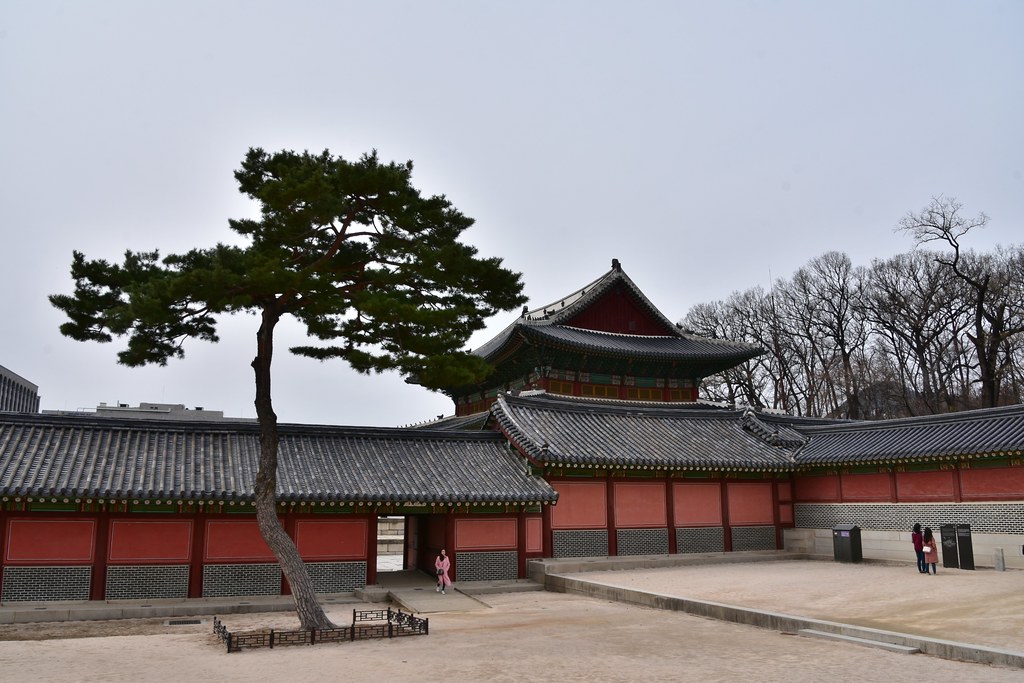
History & design: Commissioned in 1405 by King Taejong, Changdeokgung was rebuilt after the Imjin War and became the preferred Joseon residence for centuries. Its hallmark is harmony: planners adapted halls, courts, and the Huwon (Secret Garden) to the site’s 58‑hectare undulating terrain—exceptional among Far Eastern palaces.
Unique features: The Secret Garden—ponds, pavilions, ancient trees—feels like a landscape painting brought to life; pavilions such as Buyongjeong and the scholarly complex around Buyongji present the fusion of leisure and learning.
Why visit (from Doha): Only minutes from central cafés and halal‑friendly dining, this is a tranquil counterpoint to Seoul’s energy—perfect for families and culture lovers planning Doha → Seoul city breaks.
2) Jongmyo Shrine — Confucian ritual, living tradition

History & meaning: Established with Joseon’s founding (1394–95), Jongmyo is the oldest, most authentic royal Confucian shrine preserved today. The annual Jongmyo Jerye ancestral rite still unfolds in exacting detail, linking music, dance, and libations.
Unique features: The main hall Jeongjeon—often described as Korea’s longest single wooden structure—and hamabi stones where even royalty dismounted embody Confucian humility and decorum.
Why visit: Time your trip for the May rite to witness a UNESCO‑listed ceremony inside a World Heritage shrine—an unmatched two‑for‑one cultural moment.
3) Hwaseong Fortress — 18th‑century innovation & urban vision
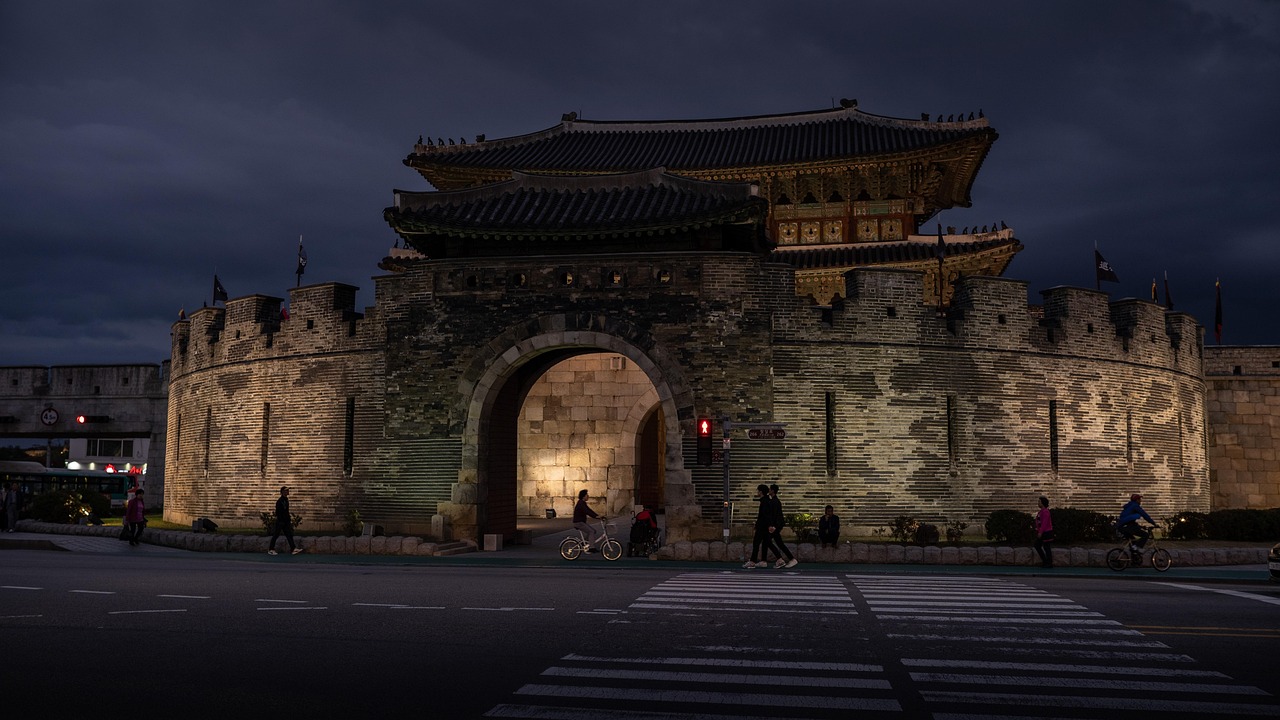
History & design: Built 1794–96 by King Jeongjo, Hwaseong merged Eastern fortification traditions with Western artillery knowledge. Its ~6 km walls, four gates, and bastions/artillery towers reflect cutting‑edge military thinking and city planning.
Unique features: Curving ramparts adapt to terrain; restored structures and night illuminations amplify its photogenic quality; festivals bring the fortress to life.
Why visit: An easy day trip from Seoul—add it to Qatar to Korea family itineraries for panoramic walks, performances, and kid‑friendly history.
4) Namhansanseong — Mountain refuge capital

History & meaning: Designed as an emergency capital, Namhansanseong could host 4,000 people, blending Buddhist monk‑soldier heritage with evolving gunpowder‑era defenses. Its earliest remains date to the 7th century, with major rebuilding in the 17th century.
Unique features: Ridge‑top walls, command posts, palace/altar traces—and hiking trails with city views.
Why visit: Perfect for a Doha → Seoul trip: cool forest air, easy transport, and a story of resilience.
5) Royal Tombs of the Joseon Dynasty — Geomancy & royal memory
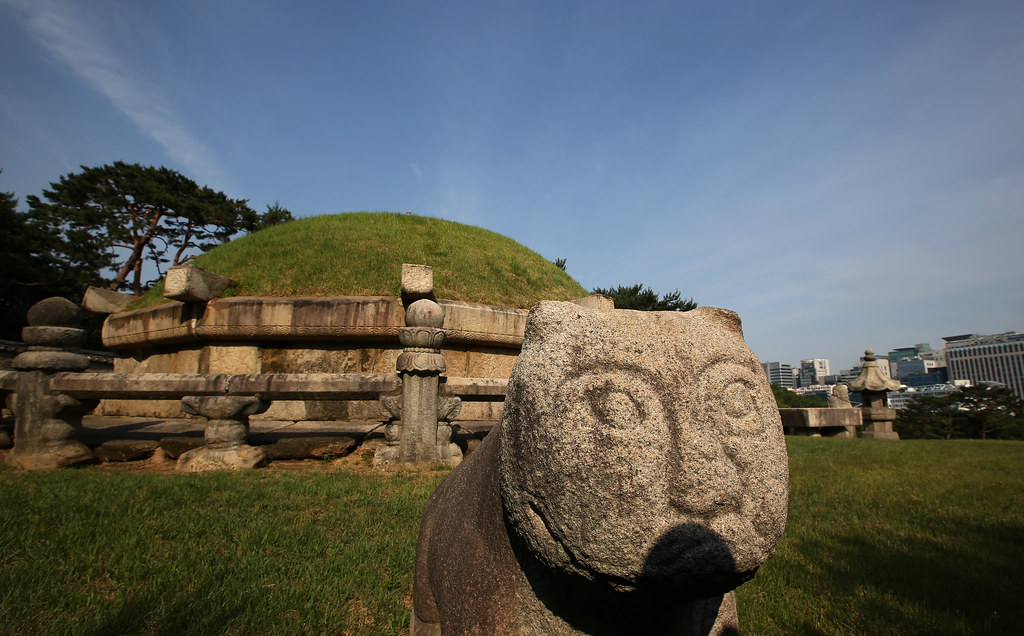
History & meaning: Forty tombs (1408–1966) express Confucian filial piety and state ritual across five centuries.
Unique features: Sites obey pungsu geomancy—protective hills, water frontage—and feature T‑shaped ritual shrines, processional ways, and sculpted guardians.
Why visit: Serene woodland parks near the capital—ideal add‑ons to palace/shrine days for travelers seeking calm.
Gyeongju & Silla Brilliance (Cultural)
6) Seokguram Grotto & Bulguksa Temple — Granite engineering & Buddhist art
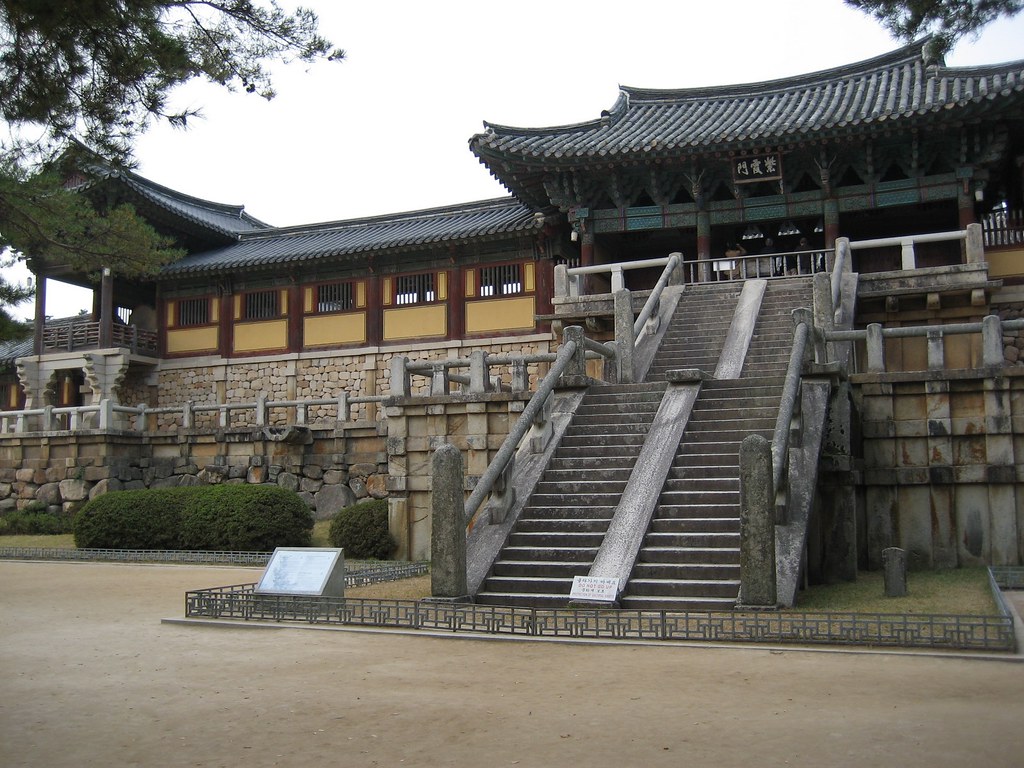
History & layout: Seokguram (8th c.) is an engineered stone grotto with a domed rotunda housing a monumental Buddha encircled by reliefs. Nearby Bulguksa (completed 774) anchors Silla Buddhist tradition with terraces and signature pagodas.
Unique features: The grotto’s precision granite construction and the iconic Dabotap/Seokgatap pagodas at Bulguksa create a peerless pairing; sunrise viewpoints nearby are breathtaking.
Why visit: A cornerstone of any Gyeongju UNESCO tour from Doha—combine temple art with Silla‑era city exploration.
7) Gyeongju Historic Areas — A city‑as‑museum
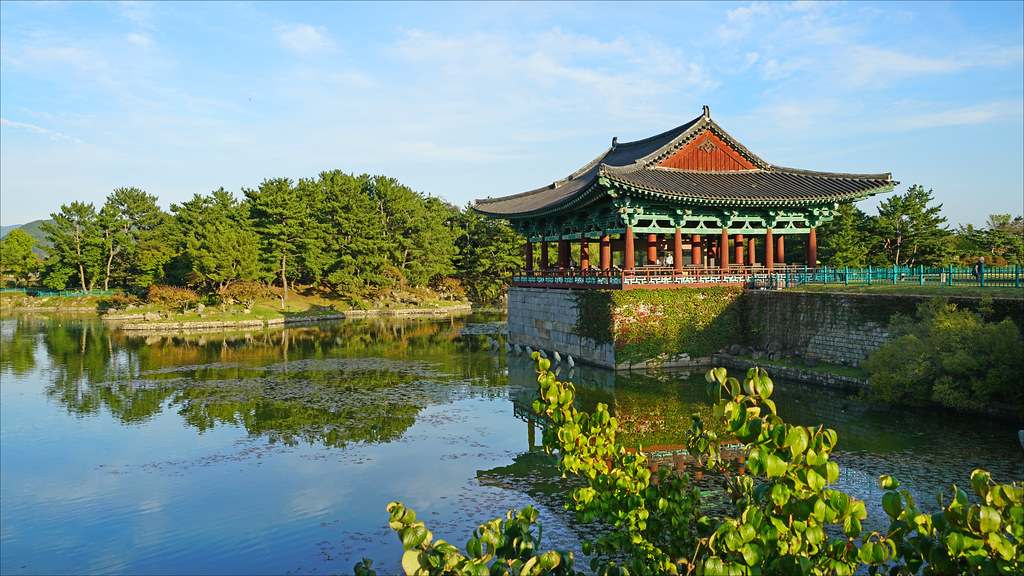
History & meaning: Former Silla capital for ~1,000 years, Gyeongju preserves belts of Buddhist art, palatial ruins, and royal tombs from the 7th–10th centuries.
Unique features: Cheomseongdae observatory, Tumuli Park burial mounds with rich grave goods, ruins of Hwangnyongsa, and sculpture‑strewn Namsan.
Why visit: The ultimate open‑air classroom for families—pair museums with park strolls and night photography at Wolji Pond.
Villages, Academies & Monasteries (Cultural)
8) Historic Villages of Korea: Hahoe & Yangdong — Clan villages & Confucian landscapes
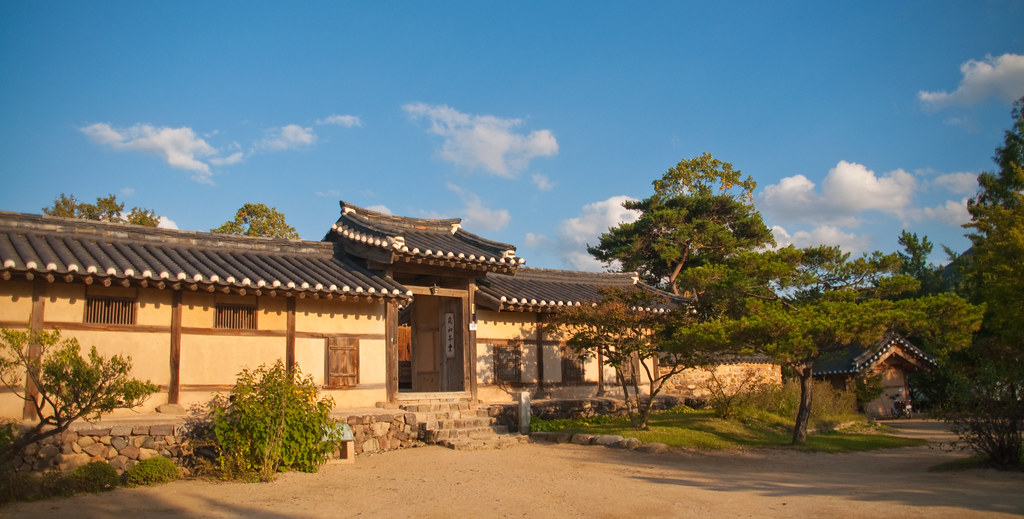
History & meaning: Founded 14th–15th c., both villages showcase yangban elite culture: siting by mountains and rivers, head‑family mansions, academies, and clusters of mud‑walled thatched houses.
Unique features: Pavilions frame scenic views celebrated by poets; ongoing rituals and Talchum mask dance (in season) animate village life.
Why visit: Step into living heritage—perfect day trips paired with Andong culture tours for Qatar visitors seeking authentic rural Korea.
9) Seowon: Korean Neo‑Confucian Academies — Learning, veneration, landscape
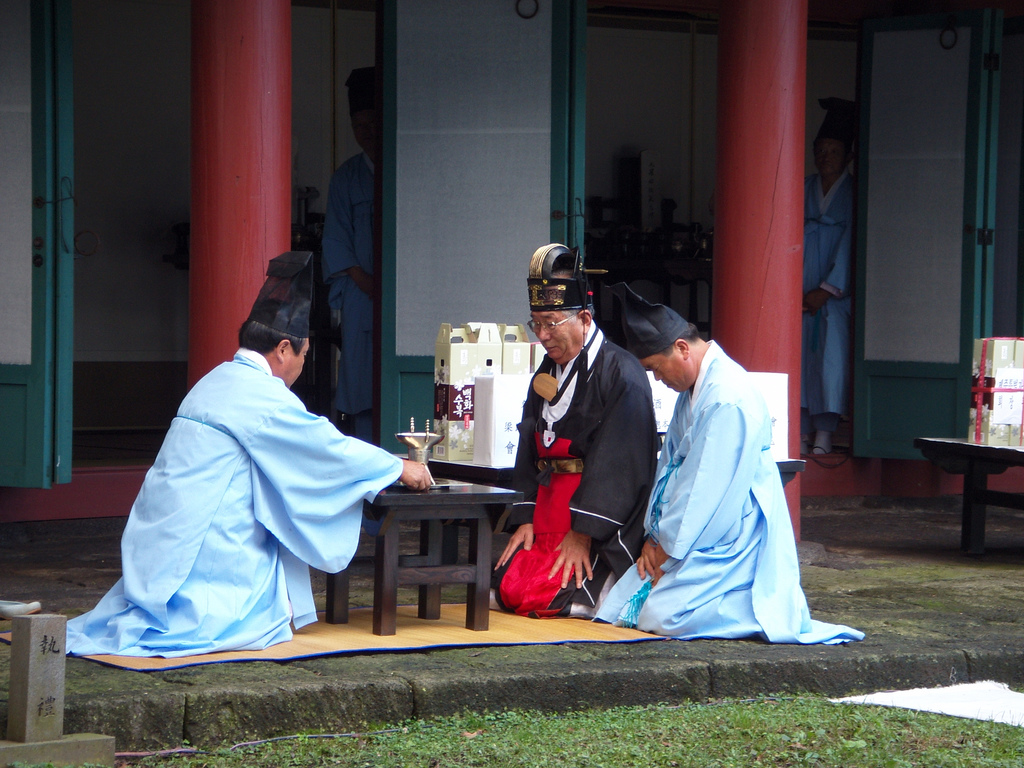
History & meaning: Nine seowon (16th–17th c.) embody local literati culture where learning, veneration of scholars, and interaction with nature coexisted—pavilion‑style buildings sited near mountains and streams illustrate China‑inspired Neo‑Confucianism adapted to Korean contexts.
Unique features: Shrines and lecture halls, river‑view pavilions (e.g., Dosan, Byeongsan, Sosu), and seasonal rites persist.
Why visit: Quietly beautiful academies make reflective stops between Gyeongju–Andong—great for heritage photography and contemplative walks.
10) Sansa: Buddhist Mountain Monasteries — Seven living centres of faith
History & layout: Seven monasteries (7th–9th c.) share the Korean madang courtyard layout framed by a Buddha hall, pavilion, lecture hall, and dormitory—places of continuous monastic practice to this day.
Unique features: Tongdosa, Buseoksa, Beopjusa, Magoksa, Seonamsa, Bongjeongsa, Daeheungsa retain historic structures and documents; temple‑stays offer immersive experiences.
Why visit: Add a temple stay to your Qatar to Korea travel package—a restorative pause between cities and nature.
Bronze‑Age Stones & Prehistory (Cultural)
11) Gochang, Hwasun & Ganghwa Dolmen Sites — Megalithic cemeteries of Northeast Asia
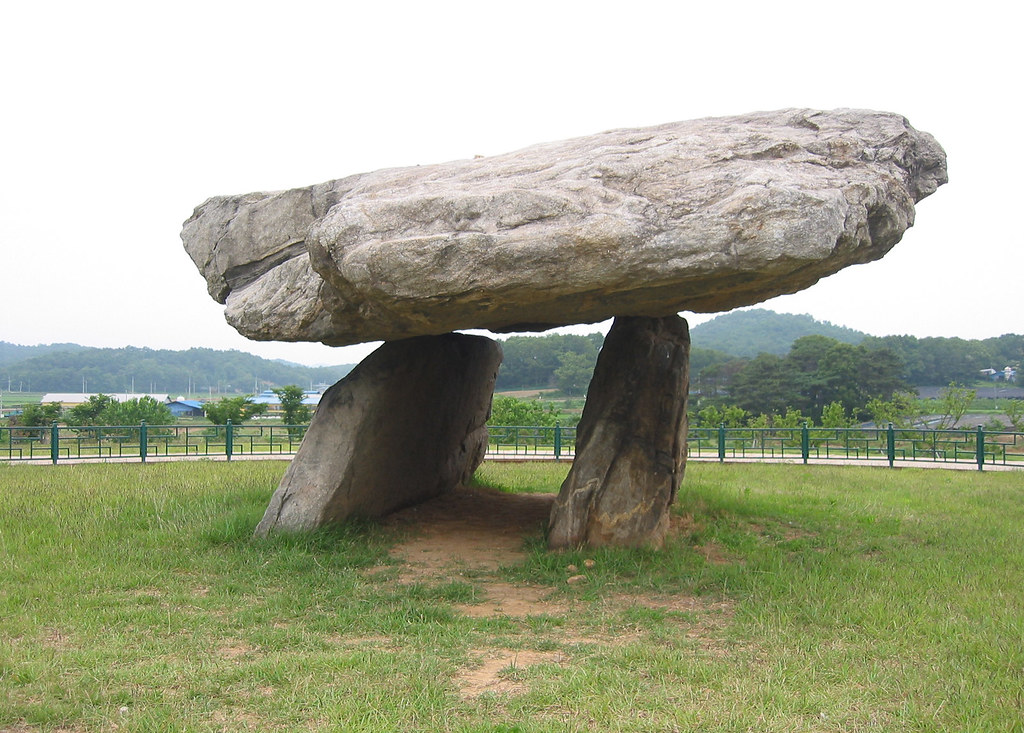
History & meaning: Hundreds of dolmens (1st millennium BCE) across three clusters showcase funerary engineering and ritual traditions—among the world’s densest concentrations.
Unique features: Northern “table” types and southern “go‑board” types appear; some capstones exceed 300 tons in other sources—fields double as outdoor archaeology classrooms.
Why visit: Pair Ganghwa dolmens with an Incheon day tour from Seoul; Gochang/Hwasun reward deeper heritage seekers with sweeping landscapes and interpretive centres.
12) Petroglyphs along the Bangucheon Stream — Korea’s first Stone‑Age World Heritage inscription
History & meaning: Two rock panels—Daegok‑ri (Bangudae Terrace) and Cheonjeon‑ri—span ~6,000 years of rock‑carving tradition (c. 5000 BCE → 9th c. CE), capturing marine life, hunting scenes, abstract motifs, and later inscriptions.
Unique features: The oldest known whale‑hunting depictions—realistic and compositionally refined—make Bangudae unique worldwide; museums in Ulsan enhance context, and city tours are being developed.
Why visit: A powerful outdoor gallery—combine with Gyeongju or Busan for a coastal heritage loop from Doha.
Kingdoms of the Peninsula (Cultural)
13) Baekje Historic Areas — Eight sites, three cities, one open culture

History & meaning: In Gongju, Buyeo, Iksan, eight components (fortresses, palaces, temples, city walls, royal tombs) trace 475–660 CE—Baekje’s later capitals—and its role in transmitting and refining architectural and Buddhist ideas across East Asia.
Unique features: Gongsanseong and Busosanseong fortresses, Jeongnimsa/Mireuksa temple sites, Songsan‑ri/Neungsan‑ri tomb clusters; exhibitions and reconstructions help visualize ancient urban form.
Why visit: A history lover’s circuit—compact trips between Daejeon → Buyeo → Iksan reveal the peninsula’s cross‑border cultural exchanges.
14) Gaya Tumuli — Confederacy in burial landscapes
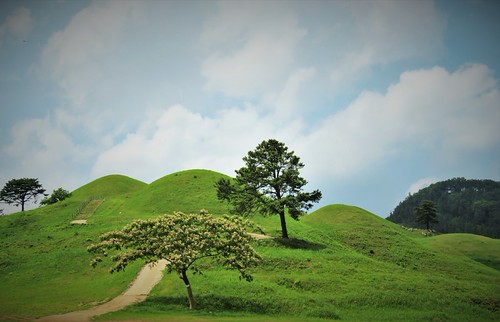
History & meaning: Seven hilltop tumuli clusters document the Gaya Confederacy (1st–6th c. CE)—autonomous yet culturally linked polities forged by iron production and trade.
Unique features: Distinct stone‑lined chamber burials and Gaya‑style pottery; grave goods include armor and ornaments, revealing networks across Korea, China, and Japan.
Why visit: Ideal for Busan‑based travelers—Gimhae, Goryeong, Haman sites combine archaeology with countryside scenery.
Temples, Texts & Preservation (Cultural)
15) Haeinsa Temple Janggyeong Panjeon — Faith meets conservation science

History & meaning: The Tripitaka Koreana—~80,000 woodblocks carved 1237–1248—was housed in 15th‑century depositories engineered to preserve them for centuries.
Unique features: Passive climate control via asymmetrical windows and foundation layers (salt, charcoal, lime, sandy clay); seawater soaking and lacquer treatments for the blocks themselves.
Why visit: A moving encounter with human ingenuity—pair a temple‑stay with a guided conservation story for a luxury Korea tour with depth.
Natural World Heritage
16) Jeju Volcanic Island & Lava Tubes — Hallasan, lava caves & a sea‑born cone
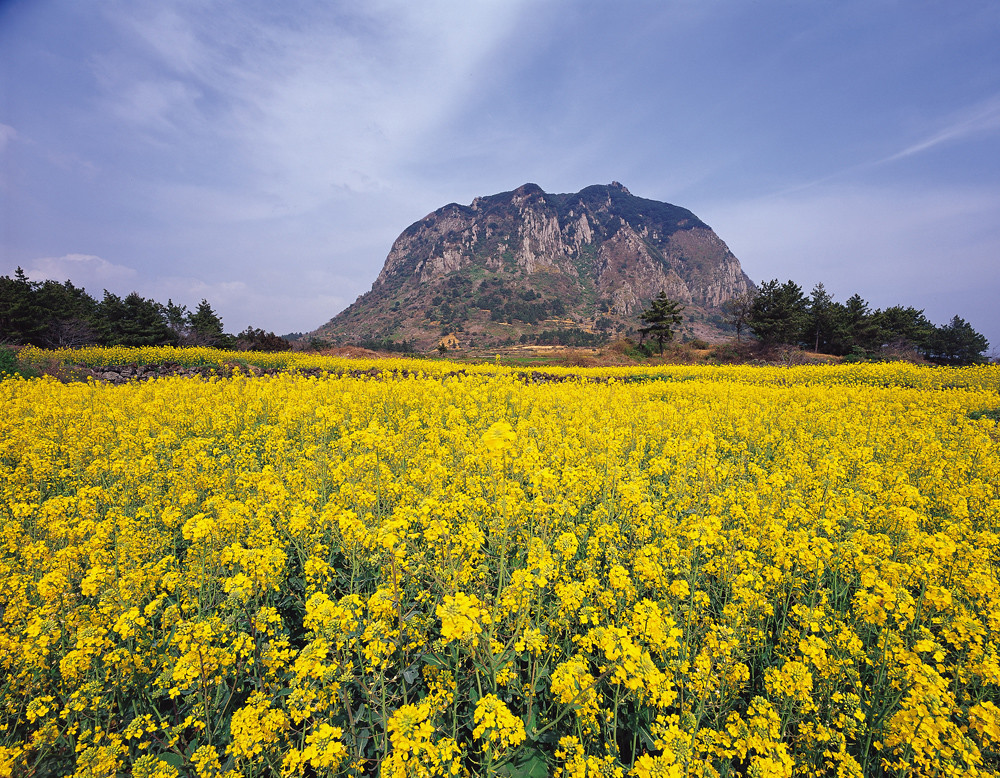
Geology & components: The site unites Hallasan shield volcano, Geomunoreum lava tube system (e.g., Manjanggul), and Seongsan Ilchulbong tuff cone—celebrated for their aesthetics and geoscience value.
Unique features: Basaltic lava caves with multicolored carbonate deposits; the sunrise at Seongsan Ilchulbong is iconic; Baengnokdam crater lake crowns Hallasan.
Why visit: The perfect family‑friendly Jeju itinerary for Qatar travelers—easy flights via Seoul, resort infrastructure, nature trails, and halal‑aware dining growing year over year.
17) Getbol, Korean Tidal Flats — Biodiversity engine of the Yellow Sea
Ecology: Four serial components—Seocheon, Gochang, Shinan, Boseong–Suncheon—span estuarine, open embayed, archipelago, and semi‑enclosed subtypes. Over 2,150 recorded species include 22 globally threatened and 47 endemic marine invertebrates; crucial staging grounds on the East Asian–Australasian Flyway.
Unique features: Mud/sand flats rich with octopus, crabs, clams; accessible boardwalks and visitor centres (e.g., Suncheon Bay).
Why visit: Pair birding and eco‑walks with nearby gardens and coastal towns—great for nature‑minded families seeking a slower‑paced stop on a Qatar to Korea itinerary.
Practical Planning for Qatar Travelers
Suggested 8–10 day route (family‑friendly, halal‑aware)
- Days 1–3: Seoul — Changdeokgung, Jongmyo, Royal Tombs; Suwon day trip for Hwaseong; halal food Seoul in Itaewon/Myeongdong; consider timing for Jongmyo Jerye (May).
- Days 4–5: Gyeongju — Seokguram & Bulguksa, Gyeongju Historic Areas; sunrise views and night strolls around Wolji.
- Day 6: Andong — Hahoe village (look for mask‑dance events depending on season).
- Day 7: Namhansanseong — Morning hike and fortress exploration; back to Seoul for shopping.
- Days 8–10: Jeju — Hallasan hike or scenic drives; Manjanggul lava tube; Seongsan Ilchulbong sunrise; relax in family resorts. If time allows, add a day in Suncheon Bay Getbol for birding.
Optional add‑ons:
- Ulsan petroglyphs with museums (pair with Busan/Gyeongju).
- Baekje/Gaya circuits if you want deeper archaeology and fewer crowds.
Why these sites are worth your time (beyond checklists)
- They connect eras. From Stone‑Age rock art to Neo‑Confucian academies, Korea’s WHS portfolio lets you trace ideas—ritual, art, science, governance—across millennia.
- They’re living places. Sites like Jongmyo (ritual), Sansa (temple life), and seowon (seasonal rites) still host practices today, not just reconstructed stories.
- They’re easy to combine. With bullet‑train networks and short domestic flights, Doha → Seoul → Gyeongju/Andong → Jeju → Ulsan/Busan is smooth to assemble.
Book Your Trip to Korea Today!
Contact Us
For more information, please contact us.
Email:
Mobile: +974 5025 0208
Landline: +974 4435 4777
 WhatsApp
